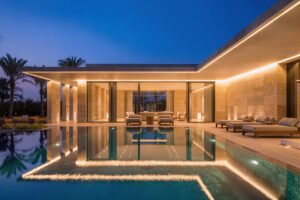
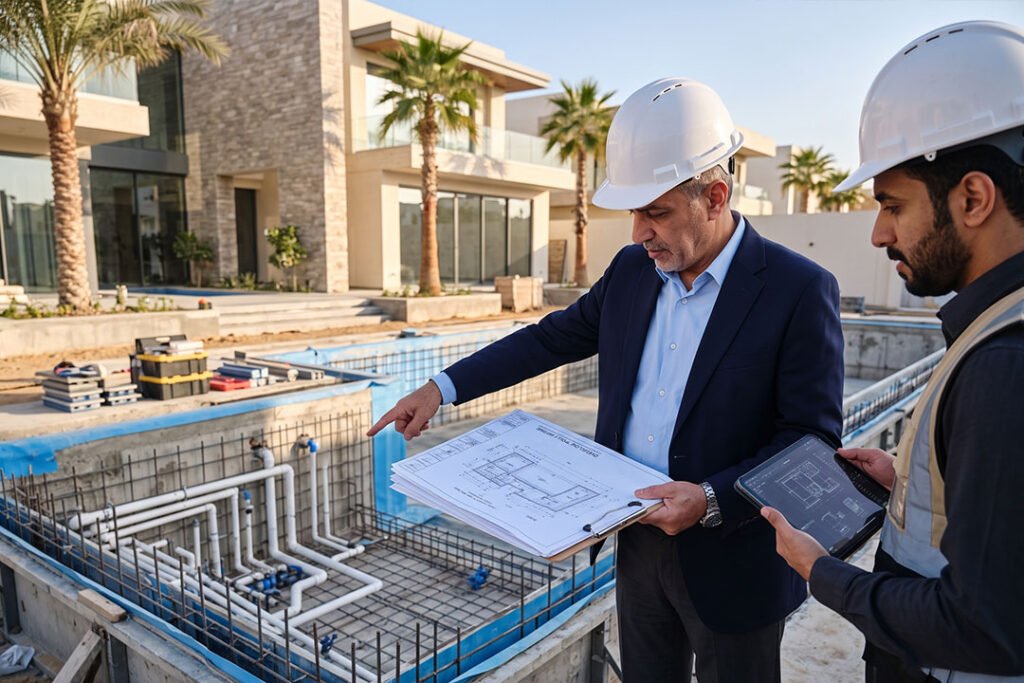
When starting any construction project, most people naturally focus on the final appearance—the finishes, materials, colors, and overall design.
However, many of the problems that appear years later are not caused by the finishes you see. They are often the result of small decisions made during the early planning stages.
These mistakes may seem insignificant during construction, but they can eventually lead to expensive repairs, difficult maintenance, or unnecessary modifications.
Here are seven common mistakes worth avoiding.
1. Choosing the Wrong Location for the Equipment Room
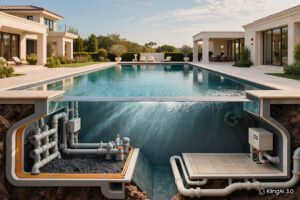
The equipment room is the heart of any water feature system—whether it’s a swimming pool, fountain, waterfall, or spa.
Placing it in a difficult-to-access location can make future maintenance more complicated, increase service costs, and even affect the overall performance of the system.
Tip:
Plan for easy access, proper ventilation, and enough working space for future maintenance.
2. Ignoring Future Maintenance Needs
Everything may operate perfectly on the first day. But every engineered system requires regular maintenance throughout its lifetime.
Leaving no service access around pumps, filters, or control equipment may turn a simple repair into a costly renovation. Designing with maintenance in mind saves both time and money in the future.
3. Choosing Equipment Based Only on Price
Lower-priced equipment may reduce the initial investment, but it often comes with higher energy consumption, shorter service life, and more frequent maintenance requirements.
Investing in reliable, high-quality equipment from the beginning usually results in lower operating costs over the long term.
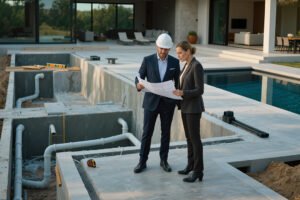
4. Skipping System Testing Before Commissioning
Pressure testing.
Pipeline inspections.
Waterproofing verification.
These are not optional procedures—they are essential quality assurance steps.
Finding a problem before the project is completed is always easier and far less expensive than discovering it after the finishes are complete.
5. Not Planning for Future Upgrades
Your needs may evolve over time.
You may later decide to install a heating system, additional lighting, a waterfall, a fountain, or automation features.
If these possibilities are not considered during the initial design phase, future upgrades may require demolition, reconstruction, and unnecessary expenses.
Planning ahead provides flexibility for tomorrow.
6. Underestimating the Importance of Small Details
- Pipe routing.
- Service access points.
- Equipment room organization.
- Control systems.
These are details most clients never notice, yet they have a direct impact on system efficiency, maintenance, reliability, and overall project performance. Great projects are often defined by details that remain invisible.
7. Selecting a Contractor Based Only on Price
The lowest quotation is not always the lowest cost.
A successful project is not measured by how it looks on handover day. It is measured by how efficiently it continues to perform years later.
Choosing experience, engineering expertise, and quality execution from the beginning is often the most economical decision in the long run.
Conclusion
The success of any project depends on far more than attractive finishes or premium materials.
It begins with making the right decisions during the earliest stages of planning and execution.
Proper engineering, reliable equipment, thoughtful maintenance planning, and attention to technical details are long-term investments that protect your project from unexpected costs in the future.Because in the end…
The best projects aren’t the ones that cost the least to build—they’re the ones that cost the least to operate, maintain, and enjoy for many years to come.
Safwaa Pools
We Design Experiences… Not Just Pools.