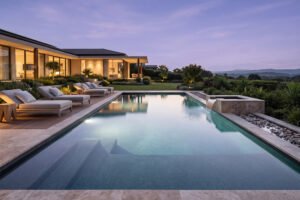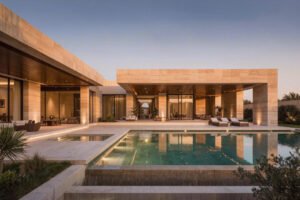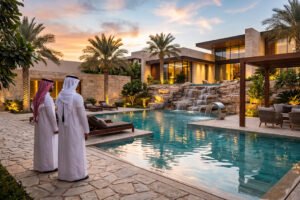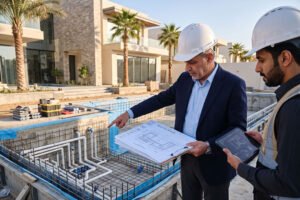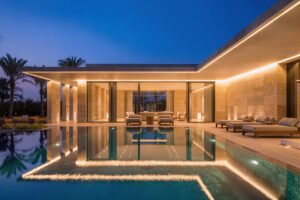
When comparing two swimming pools that appear almost identical in size and design, many people assume their construction costs should be similar. In reality, however, the difference in cost can be significant—even when the final appearance looks nearly the same.
The reason is simple: the true value of a swimming pool is determined by far more than what is visible above the waterline. Hidden engineering systems, construction quality, equipment selection, and long-term performance all play a major role in defining the actual cost of a project.
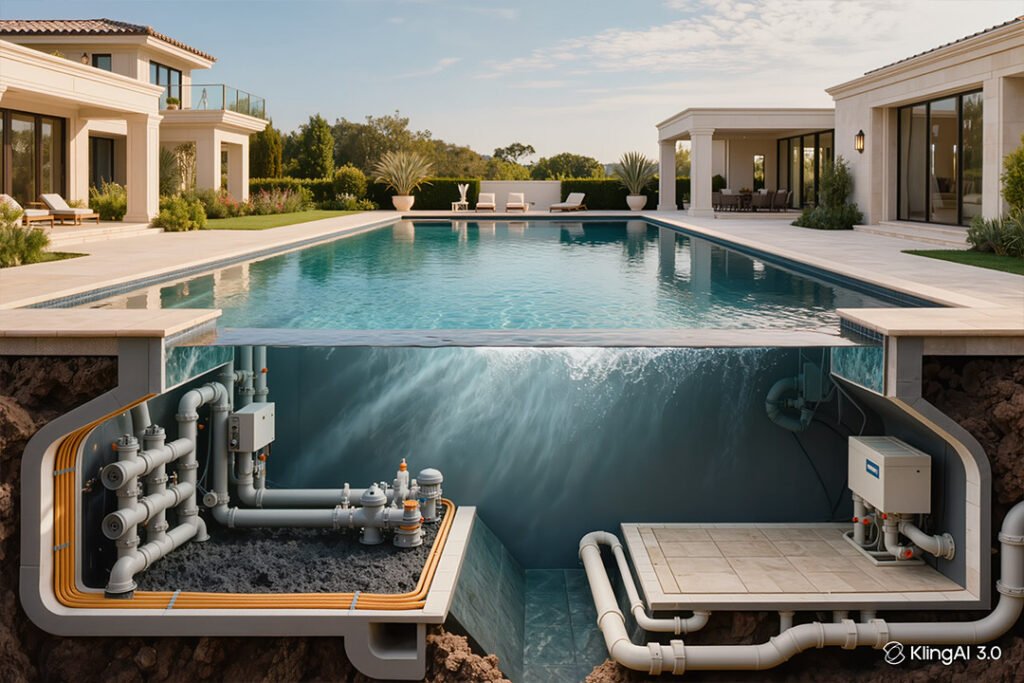
What Lies Beneath the Surface
Once a pool is completed, most people notice the water, the finishing materials, and the overall aesthetics. What they do not see are the critical systems that make the pool function efficiently and reliably for years to come.
These include:
- Waterproofing systems
- Plumbing networks
- Water circulation systems
- Equipment rooms
- Pressure testing procedures
- Structural engineering components
Although these elements remain hidden after construction, they are often the most important factors affecting durability and performance.
Equipment Quality Makes a Difference
One of the biggest factors influencing project cost is the quality of the equipment installed. Pumps, filters, disinfection systems, and control panels are not simply accessories—they are the operational core of the entire pool system.
High-quality equipment typically offers:
- Greater efficiency
- Lower energy consumption
- Reduced maintenance requirements
- Longer service life
Lower-cost alternatives may reduce the initial investment but often result in higher operating and maintenance costs over time.
Engineering Precision Matters
Even the best materials and equipment cannot compensate for poor execution.
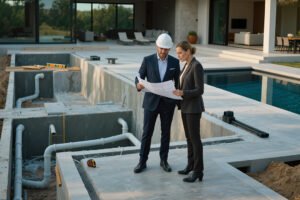
Proper pipe routing, accurate level control, equipment positioning, and comprehensive testing procedures all contribute to the long-term success of a swimming pool.
Successful projects rely not only on premium products but also on the engineering expertise behind their implementation.
The Cost of Today vs. The Cost of Tomorrow
One of the most common mistakes when comparing proposals is focusing solely on the initial construction cost.
While a lower-priced option may appear attractive at first, future operating expenses can significantly change the overall value equation.
A professionally designed and executed pool can help:
- Reduce energy consumption
- Minimize maintenance issues
- Extend equipment lifespan
- Improve water quality management
As a result, it often provides greater long-term value despite a higher initial investment.
Why Appearance Alone Is Not Enough
Photos only reveal the finished result. They do not show the quality of the waterproofing system, the efficiency of the plumbing network, the reliability of the equipment, or the accuracy of the installation process.
Comparing two swimming pools based solely on appearance is similar to comparing two cars based only on their exterior design without considering the engine, safety systems, or performance.
The true value is always found in the details beneath the surface.
Conclusion
Two swimming pools may look identical, yet their long-term performance, reliability, and operating costs can be dramatically different.
Engineering quality, equipment selection, construction standards, and technical expertise are the factors that ultimately determine the true value of any swimming pool project.
When evaluating a swimming pool, look beyond what is visible above the waterline—because the most important details are often the ones you cannot see.
We Design Experiences… Not Just Pools.