Water Is More Than a Decorative Element
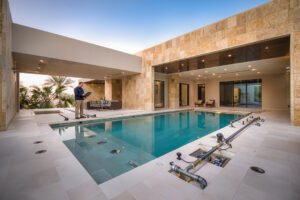
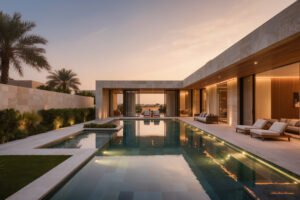
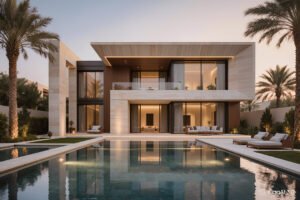
Take a closer look at the world’s most luxurious villas, resorts, and hospitality projects, and you’ll notice one thing they all have in common—water. Whether it’s an elegant swimming pool, a contemporary fountain, a cascading waterfall, or a reflective water feature, water is rarely added by chance.
It is a deliberate architectural decision.
Beyond enhancing aesthetics, water shapes how people experience a space.
. It influences emotions, creates atmosphere, and transforms ordinary environments into memorable destinations.
Creating a Lasting First Impression
The first few moments inside any space are enough to form a lasting impression.
Long before visitors notice the choice of materials or architectural details, they subconsciously experience something else:
- The reflection of natural light on the water.
- The gentle movement of ripples.
- The soothing sound of a waterfall or fountain.
- A sense of openness, calm, and balance.
These subtle details may go unnoticed consciously, yet they define how a place feels.
Bringing Architecture to Life
Architecture is naturally static.
Walls remain still
Floors remain fixed.
Structures stand unchanged.
Water…
Water introduces something architecture alone cannot—movement
Throughout the day, reflections shift with the sunlight, colors evolve with the sky, and flowing water adds rhythm without disrupting the serenity of the environment.
Rather than serving as decoration, water becomes a living component of the architectural composition.
Beyond the Swimming Pool
When people think about water in design, swimming pools are usually the first thing that comes to mind.
In reality, architects rely on a much wider range of water features to enrich different types of spaces.
These may include:
- Elegant entrance fountains that create a welcoming first impression.
- Waterfalls that introduce movement and tranquility.
- Contemporary water walls that enhance modern architecture.
- Reflecting pools that amplify light and showcase architectural beauty.
- Sauna and steam wellness areas designed to elevate comfort and relaxation.
Each element serves a unique purpose, yet together they contribute to one goal—creating an unforgettable experience.
Beauty Alone Is Never Enough
A water feature may look impressive on the day a project is completed.
Its true value, however, is measured over time.
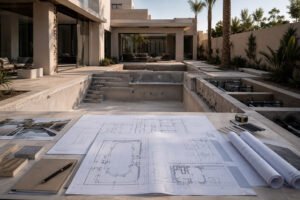
Long-term performance depends on thoughtful planning, precise engineering, high-quality equipment, and reliable operating systems.
When these elements work together, water features continue to perform efficiently while preserving their visual appeal for years to come.
Why Luxury Developments Rely on Water Features
Why Luxury Developments Rely on Water Features
Water helps to:
- Create a peaceful and welcoming atmosphere.
- Strengthen the architectural identity of a project.
- Guide movement naturally through outdoor spaces.
- Highlight lighting and landscape design.
- Deliver memorable experiences for residents and visitors alike.
For this reason, water features have become a defining element of modern architectural design rather than an exclusive luxury reserved for high-end resorts.
When Water Becomes Part of the Experience
Successful architecture is about more than what people see.
It is about what they feel.
Water connects architecture with nature, introduces movement without distraction, and creates spaces that encourage relaxation, comfort, and lasting memories.
Conclusion
Water does far more than enhance the appearance of a space.
It brings life, balance, movement, and emotion to architecture.
This is why architects continue to place water at the heart of their designs, creating environments that combine beauty, functionality, and long-term value.
At Safwaa Pools, we believe every successful project begins with understanding the character of a space before selecting the elements that define its identity.
Because our mission has never been simply to build swimming pools…
We Design Experiences… Not Just Pools.